KEY HIGHLIGHTS
- New rent hike rules kick in from 2026 across Indian cities and towns
- Annual rent increase now capped based on location and property type
- Tenants get stronger protection; landlords must follow strict notice rules
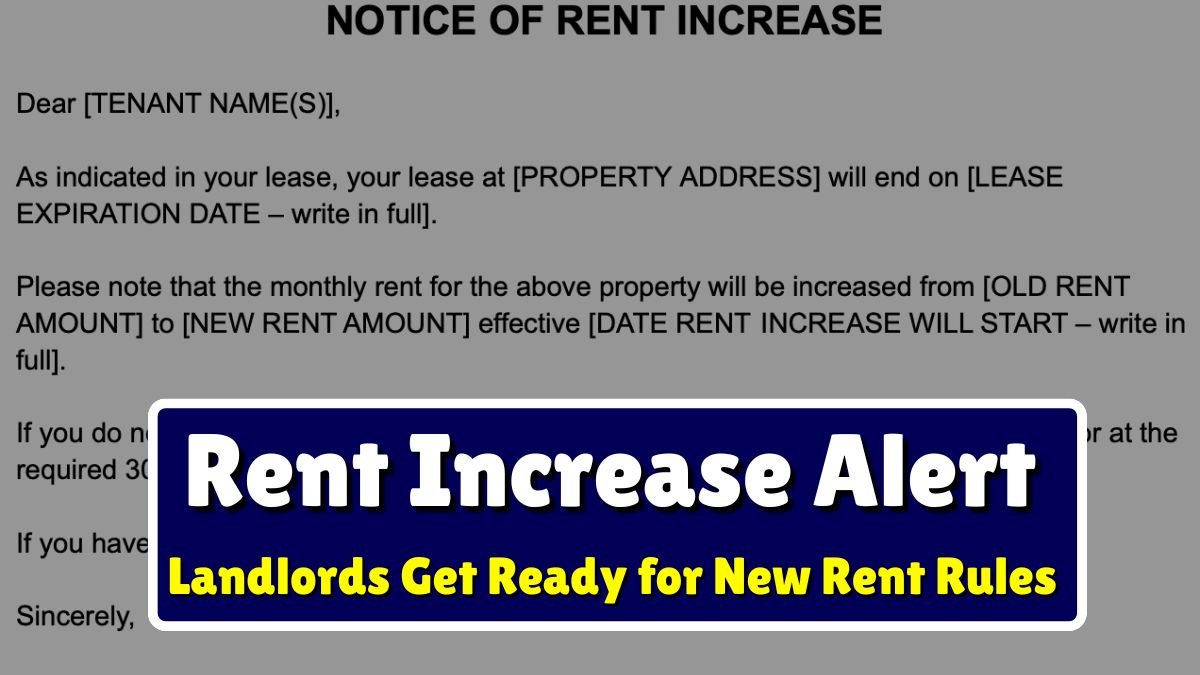
The government is stepping in with clear limits on how much rent can go up every year.
The idea is simple — fair returns for owners, no sudden shocks for tenants.
What’s Changing for Landlords in 2026?
Landlords will now follow structured annual hike limits instead of arbitrary increases.
8th Pay Commission
Salary Calculator App
Are you a government employee waiting to know how much your salary will increase after the 8th Pay Commission?
Stop guessing and avoid confusion. This official & reliable calculator app helps you check your expected revised salary in seconds.
- Official & trusted salary calculation
- Based on latest 8th Pay Commission logic
- Simple, accurate & user-friendly
- 100% free – no registration required
Metro cities like Delhi, Mumbai, Bengaluru, and Hyderabad may allow slightly higher hikes due to demand.
Tier-2 and Tier-3 towns get tighter caps to keep housing affordable.
This means fewer disputes, fewer legal headaches, and better long-term tenants.
Smart move, honestly.
Rent Hike Limits at a Glance (Indicative)
| Area Type | Maximum Annual Rent Hike | Who It Impacts Most | Key Benefit |
|---|---|---|---|
| Metro Cities | 8% – 10% | Urban landlords & tenants | Matches inflation & demand |
| Tier-2 Cities | 5% – 7% | Working professionals | Balanced affordability |
| Small Towns | 3% – 5% | Local residents | Rent stays controlled |
| Commercial Property | As per agreement | Shop owners, offices | Flexibility with contracts |
Note: Exact caps may vary by state rules and local authorities.
Annual Rent Hike Rules — Simple Explanation
No complicated maths here.
Rent increase = Current Rent × Approved Percentage
Example:
If your monthly rent is ₹20,000 and the allowed hike is 10%,
New rent becomes ₹22,000 per month.
That’s it.
No hidden charges. No surprises.
Landlords must share written calculations with tenants.
Tenants should always double-check — paisa bachana bhi zaroori hai.

Tenants Get Stronger Protection
The biggest relief?
Sudden rent jumps are no longer allowed.
Landlords must:
- Give advance written notice
- Stick to approved percentages
- Mention hikes clearly in the lease
If anything looks off, tenants can question it — legally.
This alone will stop a lot of unnecessary tension.
Why City Rents May Still Go Up Faster
Urban India isn’t slowing down.
High demand, job migration, and rising maintenance costs mean metro cities get higher permitted hikes.
This may push some renters to nearby suburbs for better value.
Landlords in cities need to be strategic.
Overpricing can mean vacant flats — and that hurts more.
Smaller Towns Stay Budget-Friendly
Good news for Tier-2 and Tier-3 India.
Rent increases here are strictly controlled.
The focus is on stability, not squeezing tenants.
Landlords still get predictable income growth.
Tenants can plan monthly expenses without stress.
Win-win.

Lease Agreements Must Be Updated
Old lease formats won’t work anymore.
Every agreement should clearly mention:
- Annual hike percentage
- Notice period
- Calculation method
Written clarity today saves legal trouble tomorrow.
Tenants — always read before signing.
Financial Planning Becomes Easier
These rules actually help both sides.
Landlords can:
- Forecast yearly rental income
- Plan EMIs and maintenance costs
Tenants can:
- Budget yearly rent increases
- Avoid last-minute shocks
Predictability is underrated — but powerful.
Communication Is the Real Hero
Most rental fights start due to poor communication.
Explain the hike early.
Share numbers clearly.
Keep everything documented.
Trust me — transparency keeps tenants longer than discounts.

Final Take on 2026 Rent Rules
The 2026 rent hike rules bring structure to India’s rental market.
Landlords get a legal, safe way to raise rents.
Tenants get protection from unreasonable increases.
Stay informed.
Update agreements.
Plan finances smartly.
That’s the asli sach.
Frequently Asked Questions
1. Are these rent hike rules applicable across India?
Most states are aligning with these guidelines, but exact limits may differ. Always check local state rules.
2. Can a landlord increase rent beyond the allowed percentage?
Only if clearly mentioned and agreed upon in a registered lease — otherwise, no.
3. How much notice must a landlord give before increasing rent?
Typically 1–3 months, depending on state laws and lease terms.
